Should you replace windows and doors at the same time?
It is one of the first questions homeowners ask: do the windows and the front door really need doing together, or can they be tackled one at a time? There is no single right answer, but for most houses replacing windows and doors at the same time is the more practical, better-value route. Below we set out the case for doing both together, the times when staggering makes sense, and what it means for cost and disruption.
The case for doing both together
When the windows and doors are of a similar age, they tend to reach the end of their useful life around the same time — draughts, misted units, stiff locks and tired frames rarely appear in isolation. Replacing them in one project has some clear advantages:
- One survey, one team. A single installer measures and fits everything, so there is no coordinating two trades or two visits.
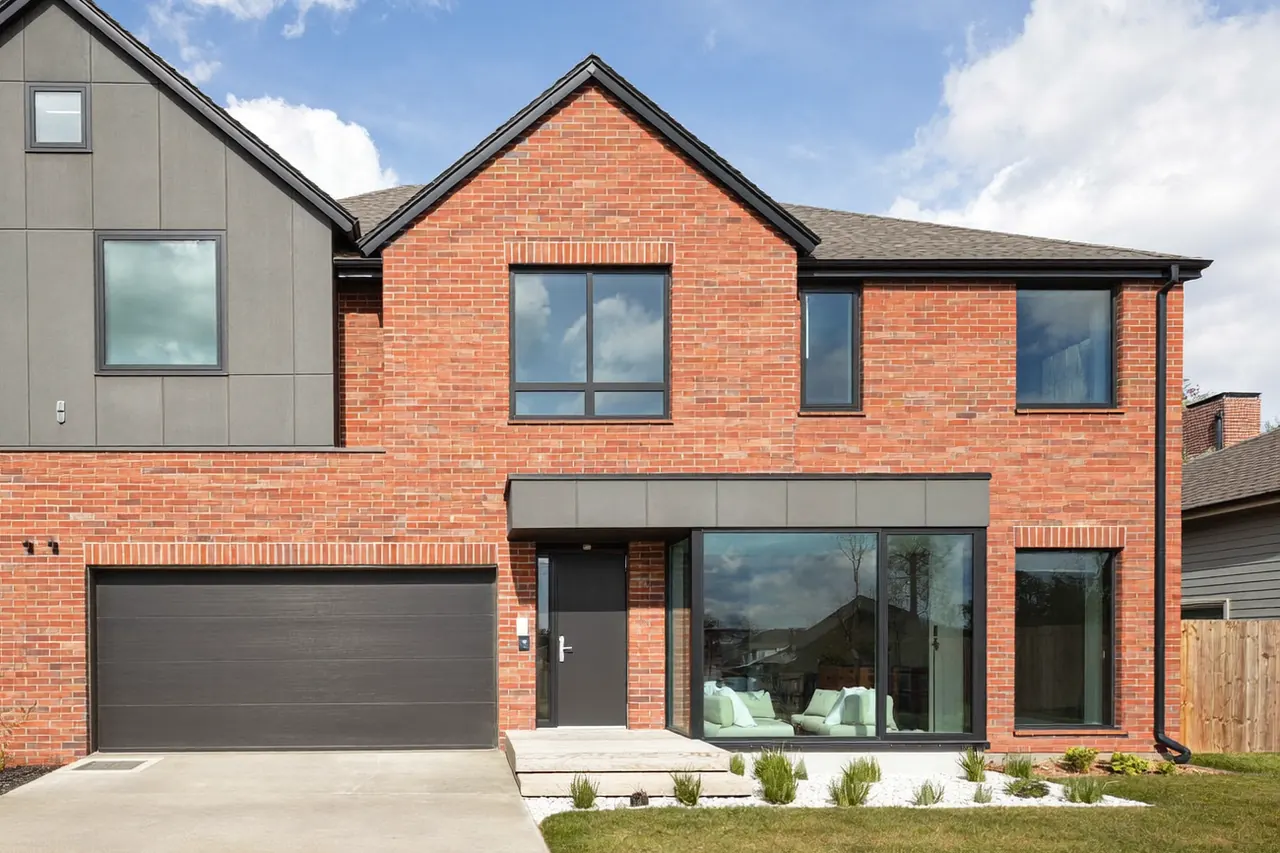
- A matched finish. Frames, colours and hardware are chosen together, so the front of the house looks deliberate rather than pieced together over the years.
- Shared costs. Survey time, access equipment and labour are spread across the whole job instead of being paid for twice.
- One warm, sealed envelope. Draughts often slip in around both old windows and old doors; sorting them together makes the difference easier to feel.
If you want the detail on how a combined project is put together, our page on windows and doors packages breaks down what is included and how it is priced.
Weighing it up? A free home assessment tells you what your house actually needs.
Check my eligibility →When it can make sense to stagger
Doing everything at once is not always essential. You might reasonably split the work if only part of the house is causing problems — a single failed door, or windows on one elevation that are noticeably worse than the rest. Budget and timing play a part too; some households prefer to spread the work across a couple of phases. The trade-off is that you may pay for two surveys and two fitting visits, and matching a door bought later to windows fitted earlier can be harder once a product line changes.
Comfort and running costs are worth putting into the balance. It helps to understand how much energy new windows can save so you can judge whether phasing delays the benefit you are paying for.
Cost and disruption in practice
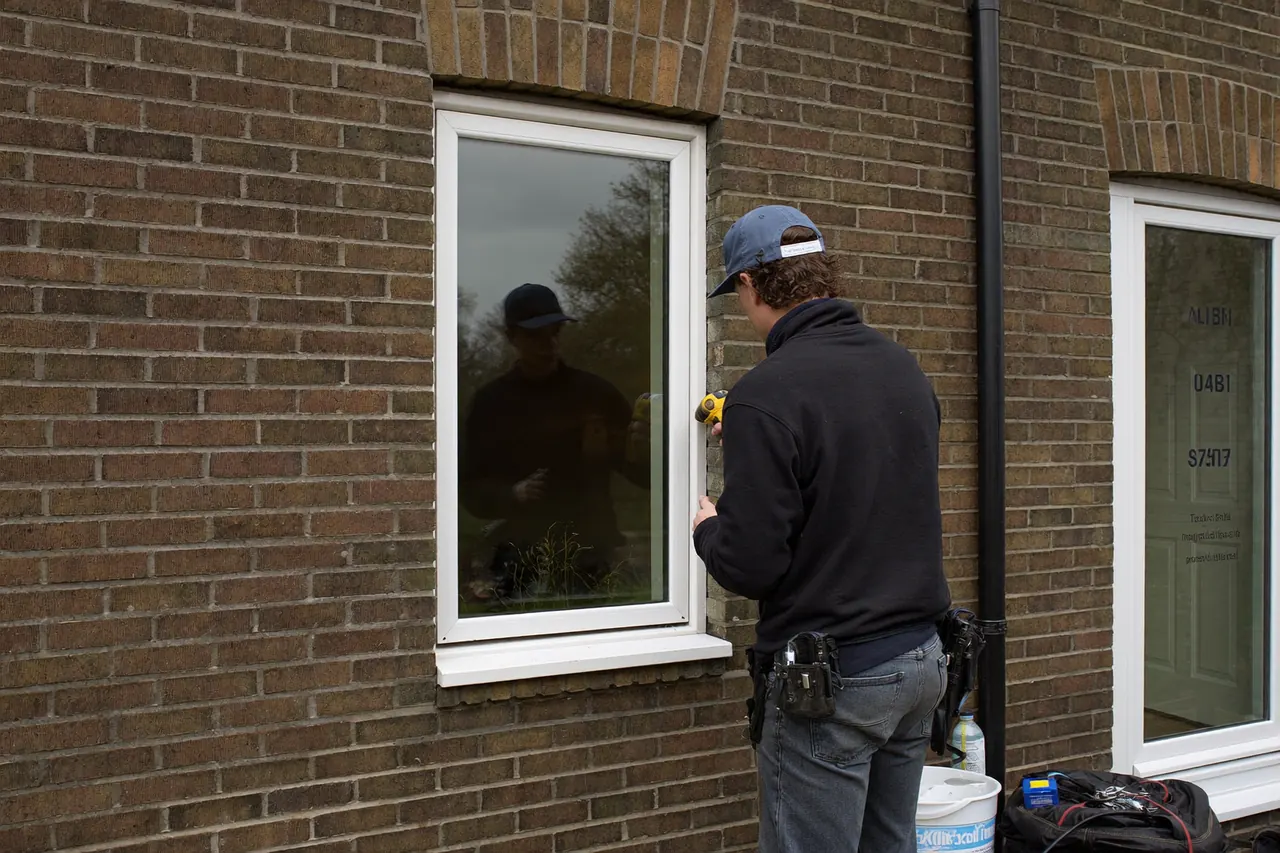
Disruption is often the real worry, and doing both together usually shortens it rather than doubling it. The crew works methodically through the house over a few days, removing and replacing units so rooms are only open briefly. One continuous project means one period of dust sheets and one clean-up, instead of two separate weeks months apart. A tidy, well-organised installer makes a noticeable difference here — our notes on choosing a trustworthy installer cover the accreditations and guarantees to look for.
On cost, replacing windows and doors together is generally more economical per opening than commissioning them separately. If finding the full amount up front is the sticking point, there are window and door funding and contribution options, subject to eligibility and a home survey, and £0-upfront options may be available for those who qualify. You can also look at funded glazing options to see how a package might be spread.
The bottom line
If your windows and doors are a similar vintage and both are showing their age, replacing them together is usually the smarter move — better value, a matched result and a single stretch of disruption. If only one element has failed, a targeted fix can be reasonable, provided you are happy that a later match may be trickier. Either way, the honest answer comes from a survey of your specific home.
Get a straight answer for your home. Two quick questions and we will match you with a local installer.
Check my eligibility →