Composite front doors: a buyer's guide
Composite front doors have become the default choice for a new entrance door, and for good reason. They combine several materials to be tougher, warmer and more secure than a traditional timber or basic uPVC door, while still looking the part on anything from a period terrace to a modern semi. This guide explains how composite front doors are built, the choices you will make on colour and glazing, and what to check before you commit.
How a composite door is built
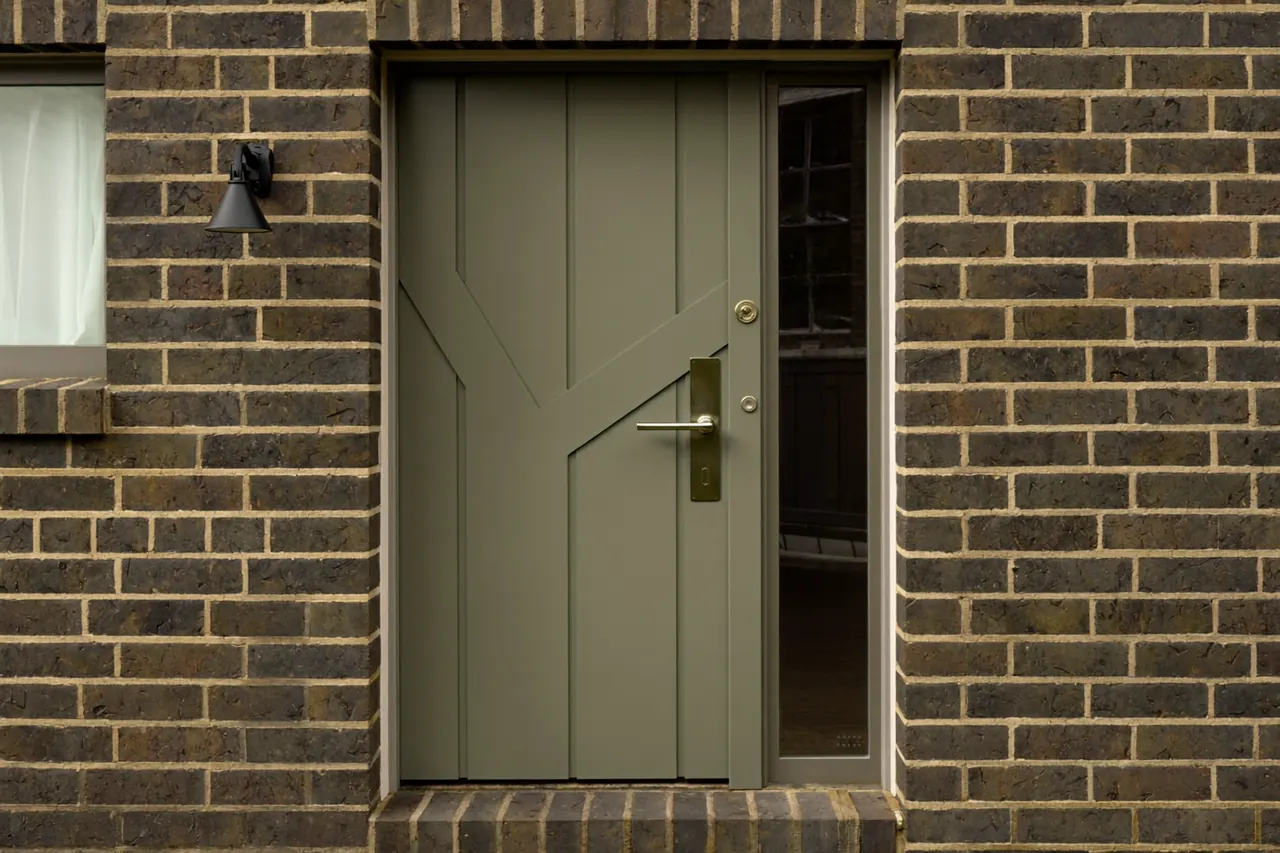
The name gives it away: a composite door is made of a composite of materials, chosen so each does the job it is best at. A typical door has a tough glass-reinforced plastic (GRP) skin over a solid insulating foam core, wrapped around a rigid sub-frame. The GRP skin resists knocks, weather and fading and is often moulded with a woodgrain texture, so the door looks like painted timber but will not warp, swell or need repainting. The insulated core is what makes a composite door feel warmer to the touch than a hollow uPVC one on a cold morning.
If you are torn between materials, our side-by-side on uPVC vs composite doors weighs cost, insulation and security in more detail.
Colours, styles and hardware
Colour is where most people start. Composite doors come in a wide range of solid shades — classic anthracite grey, chartwell green, navy, racing greens and reds, plus black and white — usually with a matching or contrasting frame. Because the colour runs through the skin rather than being painted on, it stays even and does not flake. Panel styles range from clean contemporary slabs to traditional four-panel designs, and hardware finishes (chrome, brushed steel, gold or black) let you fine-tune the look. Coordinating the door with your windows lifts the whole frontage — our guide to matching your windows and doors shows how to do it well.
Found a style you like? A free home assessment confirms sizing and the options for your home.
Check my eligibility →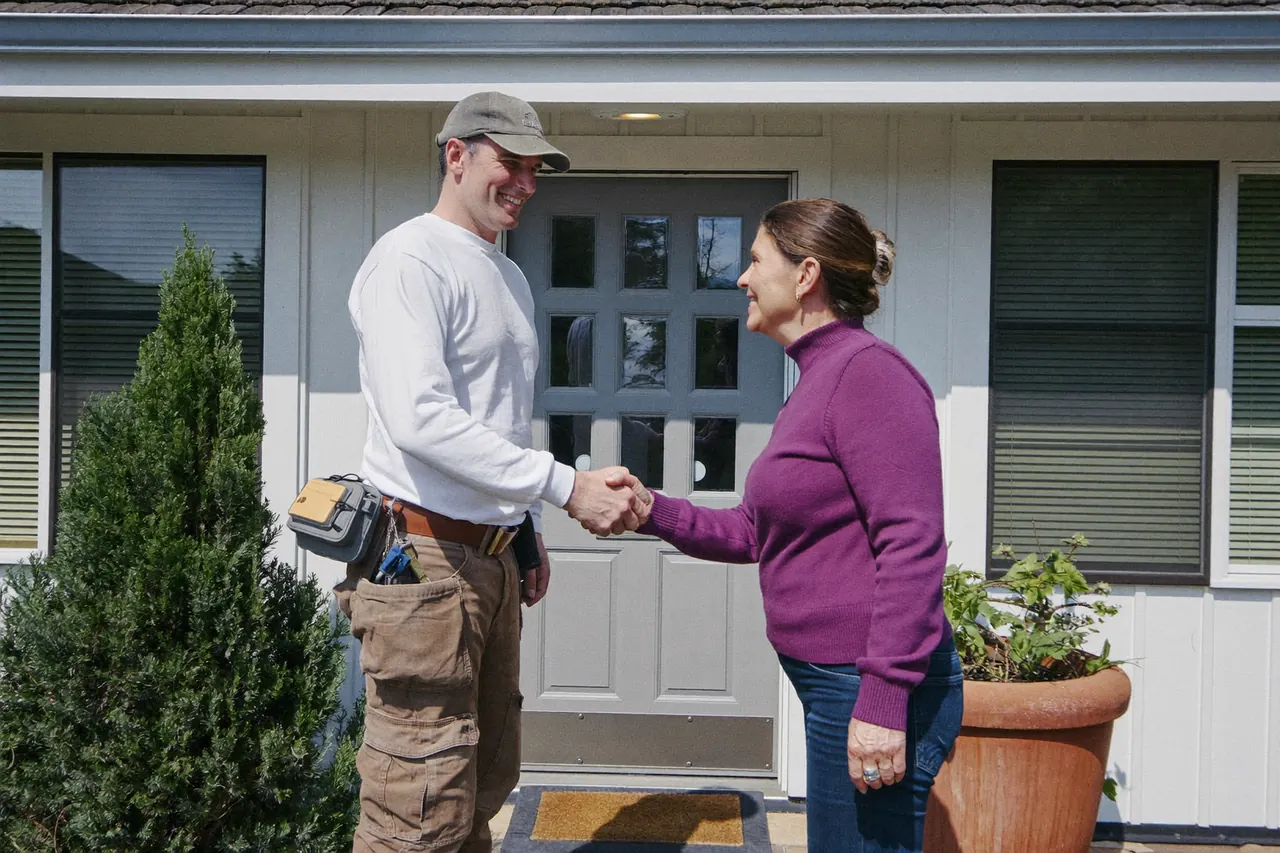
Security and locking
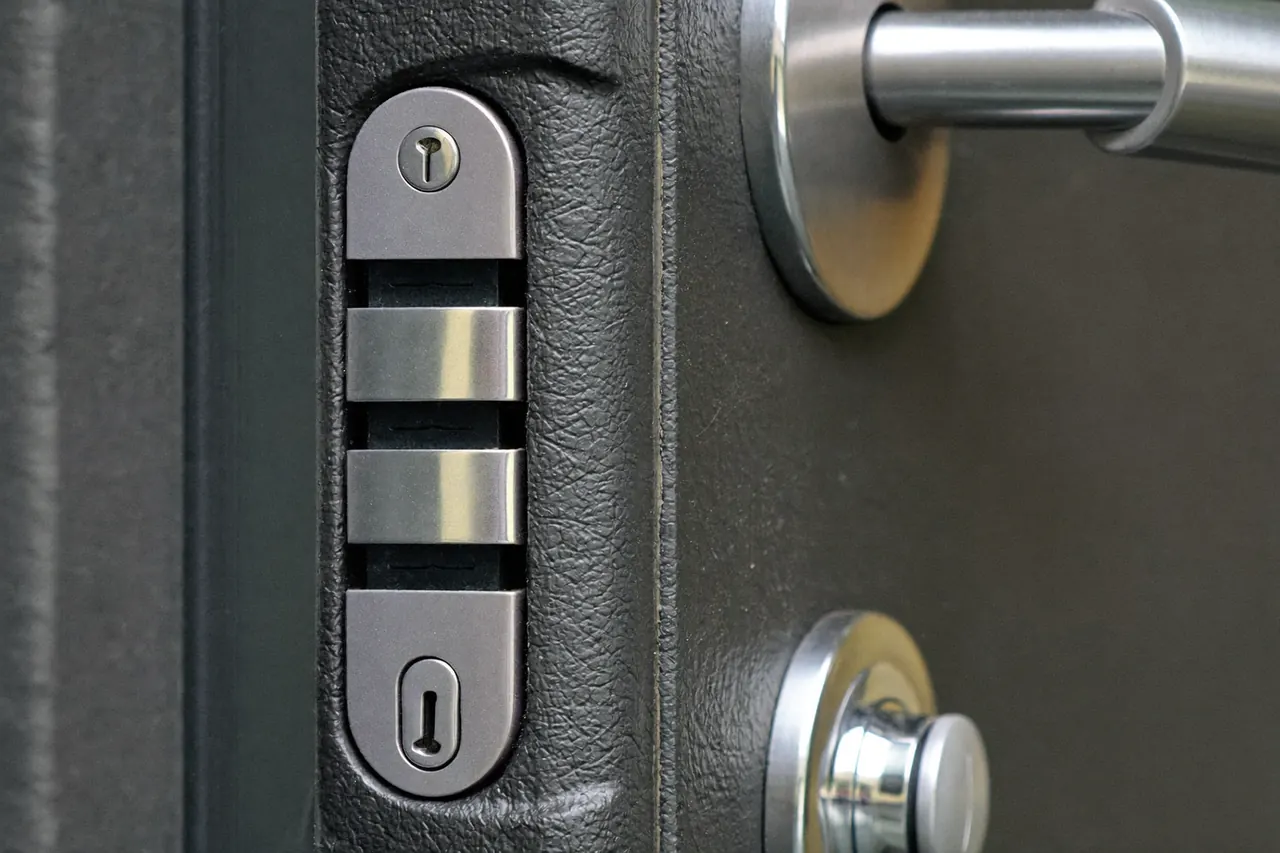
A front door is your home's main barrier, so the locking matters as much as the leaf. Look for a multi-point locking system that engages hooks or bolts at several points up the frame, paired with a high-security cylinder and reinforced hinges. Many composite doors are available tested to the PAS 24 security standard, and some carry Secured by Design accreditation. It is worth understanding what those marks mean — our page on door and window security standards explains PAS 24 and cylinder ratings in plain terms.
Glazing, energy and everyday details
Most composite doors can be ordered solid or with glazing — a small vision panel, decorative glass, or full side and top lights to bring daylight into a hallway. Choose toughened or laminated glass for security and, where the door is very exposed, obscured glass for privacy. The insulated core and modern weather seals help keep the hallway warmer and cut draughts; the same principles that make new windows efficient apply here, and you can read more on how much energy new windows can save across the whole house.
Before you sign anything, check the threshold detail (a low or part-M threshold helps with accessibility), the guarantee length, and who is fitting it. A door is only as good as its installation, so our notes on choosing a trustworthy installer are worth a read. If the cost of a new door and matching windows is the hurdle, there are window and door funding and contribution options, subject to eligibility and a home survey, and you can compare funded glazing options too.
Ready for a new front door? Answer two quick questions to be matched with a local installer.
Check my eligibility →