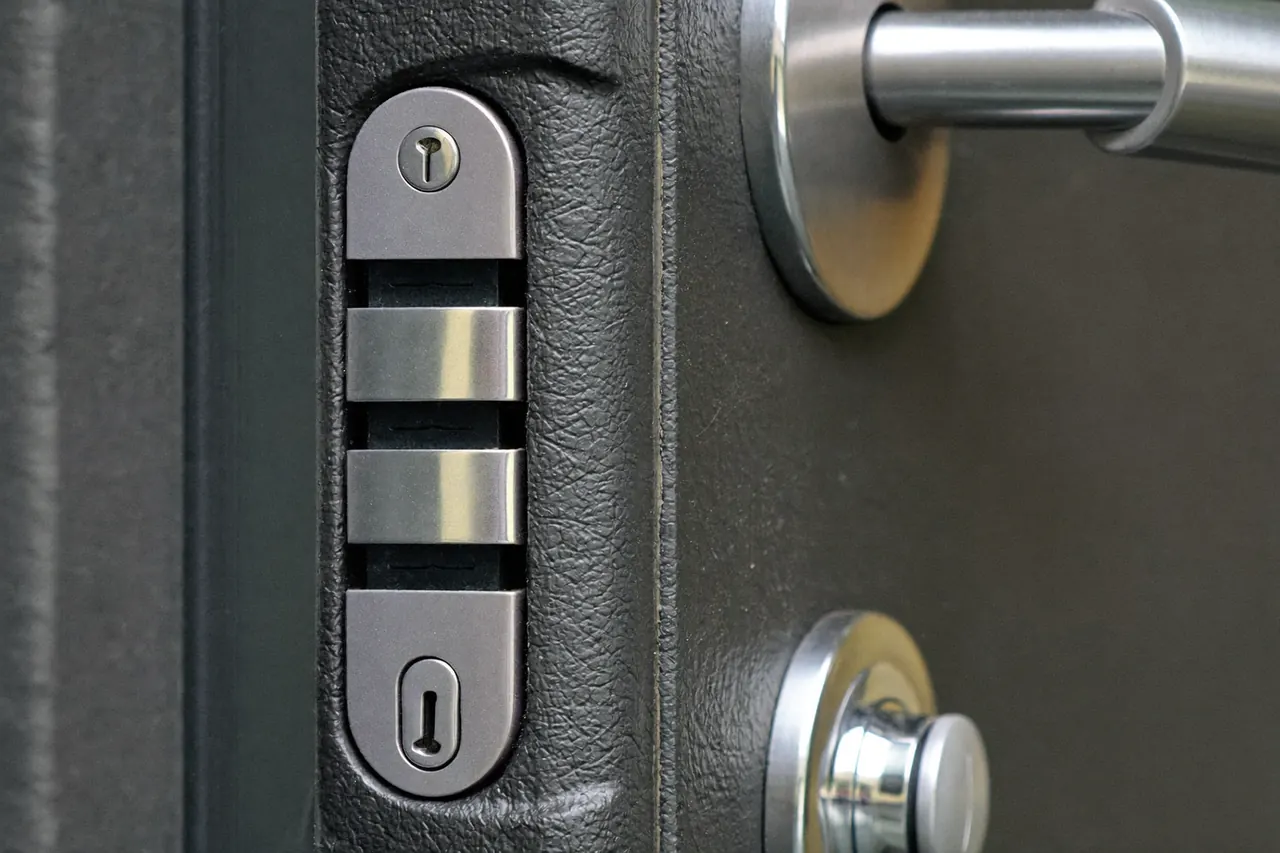
uPVC vs composite doors compared
When it comes to a new front door, the choice usually comes down to uPVC vs composite doors. Both are low-maintenance, both seal far better than a tired old door, and both are widely fitted across UK homes — but they are built differently and suit different priorities and budgets. This straight comparison weighs them on cost, security, insulation, looks and lifespan so you can decide which is right for your entrance.
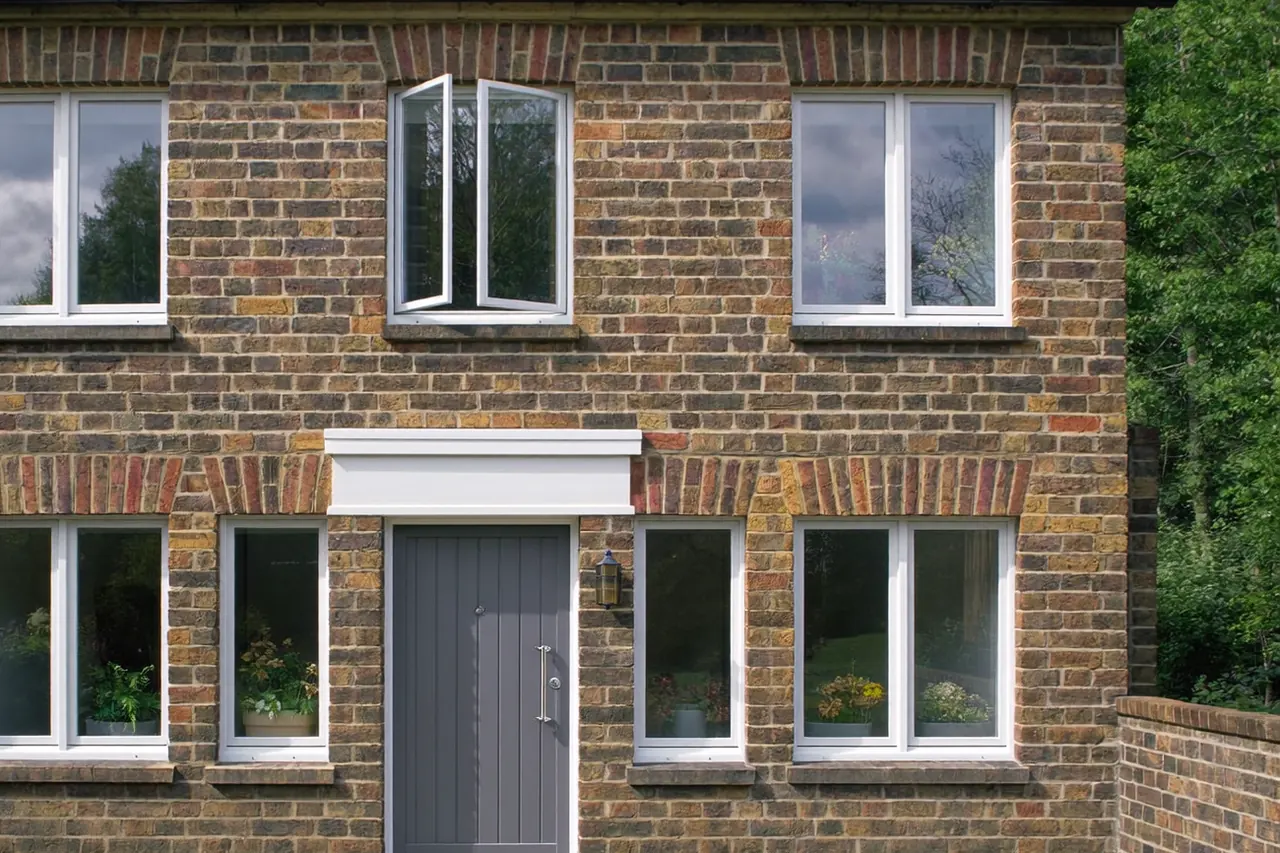
uPVC doors
A uPVC door is made from the same rigid plastic profile as many double-glazed windows, usually with a hollow, chambered or foam-filled construction. Its strengths are price and practicality: uPVC is the most affordable option, needs almost no upkeep beyond a wipe down, and comes with good multi-point locking as standard. The compromises are that a hollow slab feels less solid than a composite, the colour range is narrower, and the thinner leaf offers slightly less insulation and a less substantial appearance. For a rear or side door, or where budget leads, a quality uPVC door is a sensible, cost-effective pick.
Composite doors
A composite door layers several materials — a tough GRP skin over an insulated solid core and a rigid sub-frame — to be stronger, warmer and more convincingly like painted timber. That construction gives a solid feel, a much wider colour and style range, and excellent thermal performance, at a higher price than uPVC. Our composite front doors guide goes deeper on how they are put together and the colours available. In short, a composite door is the upgrade choice for a front entrance where kerb appeal and that reassuring, solid closing action matter.
Torn between the two? A free home assessment helps you compare on your own doorstep.
Check my eligibility →Head to head
| Factor | uPVC door | Composite door |
|---|---|---|
| Cost | Lower | Higher |
| Insulation | Good | Very good |
| Feel & solidity | Lighter | Solid, substantial |
| Colours & styles | Narrower range | Wide range |
| Typical lifespan | Long | Longer |
| Best for | Budget, rear/side doors | Front doors, kerb appeal |
Security, energy and which to choose
Both door types can be specified with strong multi-point locks and high-security cylinders, and both are available tested to recognised standards — our page on door and window security standards explains what PAS 24 and cylinder ratings mean. On energy, a warmer door helps trim heat loss around the entrance, and it is worth reading how much energy new windows can save when you upgrade the whole frontage together. For most homeowners the answer is a composite front door for the look and feel, with uPVC a smart, economical choice for less prominent openings.
Whichever you pick, fitting quality decides how well it performs, so choose your installer with care — see our notes on choosing a trustworthy installer. Our installation partner, the UK's No.1 double glazing installer on Trustpilot, fits both door types across the country. If cost is the deciding factor, there are window and door funding and contribution options, subject to eligibility and a home survey, plus funded glazing options to consider.
Made your mind up? Two quick questions and we will match you with a local installer.
Check my eligibility →